


HOW TO PREPARE FOR THE YEAR AHEAD: a smallholder’s guide of monthly tasks
- rosebvassistant
- Jan 25
- 10 min read

As January 2026 is coming to a close it feels a good time to take a look at the year ahead…and in particular, what is on our to-do list!
As smallholders ourselves, we understand that with so much to do it can feel impossible to even know where to start. So, if this is your first year on your smallholding or you’d just like to start doing things a little differently we’ve written our handy monthly to-do list to refer to below.
This list is a great companion either to be used at the beginning of each year during your planning, or alternatively, for you to refer to throughout the year as you go.
Whilst the list is not extensive, we hope it should cover a wide range of people from those just looking to grow some veg, all the way to those with livestock and silaging needs.
So, without further ado, let’s get straight in with January!

January:
January is a great month for beginnings. It is the perfect time to plan, budget and well as get things in working order before the beginning of the working year.
Our top jobs are:
Make your to-do list for the year, including your goals and projects. Whilst big picture items are must, your list should also include detailed planning such as crop rotation, seed ordering and budgeting needs.
We also highly recommend keeping a garden journal throughout the year to take notes on how your projects are going, what is working well, what needs to be adjusted, and what to change heading into next year. Sometimes with the passing of time details and realities can be lost, so your journal will be your best friend with your future planning for 2027!
And speaking of admin, if you haven’t already in December, January is a great time to wrap up finances from the previous year and do a full MOT of the budget. This will not only help you to see exactly what capital you will need in this current year, but also on areas that could be cut down on or invested into.
Maintenance and repairing any necessary machinery, farm buildings and fencing is key to keeping your smallholding running smoothly. After all, there is nothing worse than the nasty surprise of something not working when you need it! If you would like to learn more about tractor maintenance, then please check out the following blogs:
January is also a great time for arable farmers to start spreading slurring in preparation for the silage or hay to be taken later in the year. Hard cold grounds are actually very helpful for this job as the fields will be firmer to better hold the slurry.
February:
February is a fantastic buffer month to finish all of the tasks overdue from the winter season including hedging, soil prep and general maintenance. However, if you are growing onions, leeks or cabbages this is also a prime month to start seeding!
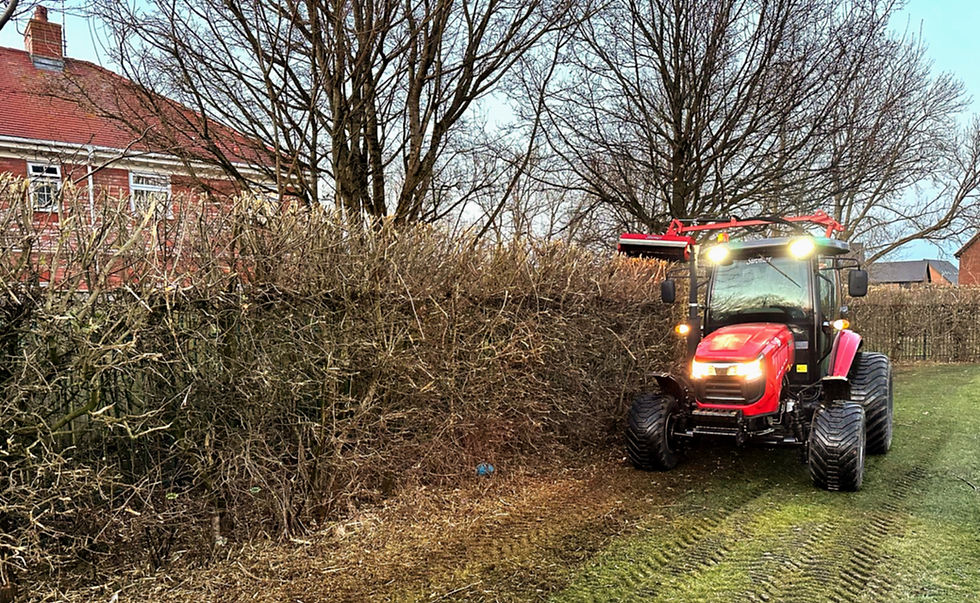
Hedging season is about to come to a close so it is vital to make sure all hedgerows and trees have been properly cut before birds come back to nest. If you would like to know more about hedging season dates, laws and top tips then please check out our blog here.
February is also a great month to prepare your soil for it’s hard work in the following months ahead. By using mechanical rotovators, stone buriers, power harrows and ploughs, your soil should be looking beautiful and ready in no time!
If you are planning to grow food in greenhouses or polytunnels February is the perfect month to start setting up as you can still beat the sewing season but with milder weather than January!
If you are also looking to grow leeks, cabbages or onions February is the best month for planting to get optimum results.
Furthermore, if you are looking to keep chickens, or increase your number of your current chickens, then February is an ideal month to purchase your chicks.
And lastly, if you have any remaining general maintenance then this is the month to do it before everything starts in full swing again in March!

March:
It’s show time! With the planting of various crops, spreading of fertilizer and a heavy month for calving and lambing, March is bound to keep you busy!
We recommend planting early potato sets, as well as beetroot, carrot, parsnips and sugar beet crops. March is also a great time of the year to count back from your last expected frost date to check the best planting date for warm weather crops like tomatoes and peppers. Sewing more temperamental crops like strawberries inside, or in warm conditions, is also a good idea this month.
And speaking of, March is a great month to fertilize your new crops (as well as continuing to spread slurry from previous months). To make best use of your time we would recommend using one of Siromer’s fertilizer or muck spreaders. However, if this feels a little early, this can extend into April as well.
If you have cows or sheep, Spring is one of the busiest times of the year as calving and lambing are now truly underway. Prepare for animal births by gathering necessary equipment, creating birthing pens, and giving your expecting ewes and lambs round-the-clock attention. And don’t forget to vaccinate and trim feet to keep your animals nice and healthy!
If you have chickens hatched eggs will also be abundant in March, so it is good time for selling, baking or just making lots of omelettes!
Sugar season is also in full swing so if you have any field maple, sycamore or sugar maple tree now is the time to tap them.
And lastly, speaking of trees, March is perfect for pruning and fertilizing existing fruit and nut trees. We recommend weeding around the dripline and mulching with wood chips.

April:
April showers bring about a month of more planting and a lot of spring cleaning!
April is a great time to be sewing any additional cool season crops directly outside that were held off in March such as lettuce, radishes, rocket and broccoli. April is also a good month to plant any fruit trees in your orchard.
Weeds will now be beginning to creep in as many of your earlier plants are growing. Because of this, laying down weed suppression barriers like wood chips, fabric or compost is a good idea to stop a full infestation in smaller grounds.
And speaking of doing a bit of clean up, it is officially spring-cleaning time! Take this slight lull in the calendar to clean and organize anything that needs a bit of TLC whether that be the shed, barn, or even inside the house!
And if you have chickens, and haven’t already done so, April is a fantastic time to fully clean out the chicken coop and add fresh bedding inside before the weather heats up. Old bedding can be used to make compost for next year’s fertilizer.
And lastly, if you happen to have any dairy animals, April is a heavy month for milk production. So, make the most of this increased yield by making long-lasting dairy products like ice cream or hard cheeses to enjoy well into the winter.

May:
May marks the start of hotter weather! This means our final sewing and the beginning of animals being moved.
It is now time to transplant any remaining warm weather seedling that have been inside, or in a greenhouse, into the great outdoors. It is also a great time to start sewing warmer-weather crops like tomatoes, cucumbers and melons.
Most animals should probably now be outside now including dairy cows, lamb, and chickens (including chicks) if weather allows. This is also a good time to give any livestock buildings, coops, walls or fences a once over to see if any repairs or cleaning need to be done.
If necessary, add more mulch to your garden and orchard to prevent further weeds.
And lastly, it is time to be making room in your pantry or cellar for all your imminent harvest.

June:
June is in full swing with summer shows, early harvest, and the beginning of hay making!
If, fingers crossed, everything has grown well, June should be your first round of harvest for any early potatoes, salad vegetables and soft fruits. Any potatoes still in the ground should be irrigated to encourage further growth.
Hay, hay, hay! It’s haymaking time. With long grass after the beautiful sunshine, May is a great time to start cutting grass and beginning your baling procedure.
And don’t forget about any fallen wood too! June is also a great month to collect wood for firewood and woodchips. For ease, we would recommend using a woodchipper like this.
And fallen wood is not the only product to be reusing this June! Fresh green garden clippings and weeds can also be piled to make compost.
Sheep should also be sheared in June to protect from the increasingly hot weather.
And if you are a real farm lover, like us at Siromer, June also marks the beginning of the summer farm show circuit. If you would like to learn more about the Great Yorkshire Show then click here.

July:
It’s time to enjoy the fruits of your hard work with livestock auctions, haymaking and berry harvests in July!
Livestock auctions will be happening around July, so this is great time to sell on some of your best animals.
Haymaking and silage collections will continue well into July. To help with your haymaking process we would recommend our balers and bale wrappers to save time!
Berries are now currently at their peak tastiness so make sure to harvest for fresh meals, jams and for freezing.
July is also a great time to harvest any garlic plants you may have grown.
If your spring/early summer crops have already been harvested, then make sure to clean these beds ready for your autumn crops like kale, lettuce and swiss chard (if this is in your plan).

August:
The hottest month of the year brings various harvests, silaging and the weaning of lambs.
If you have been feeling ambitious and have been growing any cereals like wheat or barley, August is the time for harvest!
Potatoes, onions, carrots can also now be harvested.
If any lambs were born back in the spring, August is a great month to start weaning them and bringing them back into the fields.
And lastly, August is the month of silage. If you have any chaff left from this year’s harvest, make sure to mow this and then press into silage bales using our baler here.

September:
Harvest season is now upon us!
If you have any remaining crops to harvest, like apples or pears, it is now time to collect these up before the winter spell arrives.
Ploughing and cultivating soil will now restart in preparation for next year’s crops.
And it is officially time to enjoy all of your fresh harvested ingredients this year so make sure to cook some delicious meals, have a party, and then freeze, can, dehydrate or pickle the rest of your fresh produce!

October:
As winter begins to draw in hedging and winterizing become top priorities!
Hedging season is once again upon us, so make sure to take this time to give your hedges and bushes the first big trim of the season.
If you have tractors or machinery that will not be being used this winter season, make sure to store appropriately to extend shelf life. Or if still in use, make sure to change oil and make other winterizing measures as necessary. To learn more about winterizing your kit this year then check out our blog here.
And if you are based in the North of the UK October now marks your final chance to harvest any remaining potato or sugar beet crops.
If you have chickens this is also a great time to do one final clean out of the chicken coop before winter. We recommend also storing additional bedding close to hand to keep your chickens nice and warm.
And lastly, if you have any more sensitive perennial plants, we recommend adding winter protection such as coats to help stave off frost from this time of year.

November:
With increasingly cold weather it is now time to move all animals back inside and continue winter-proofing everything.
If your cows and sheep are still outside, November marks a good month to move them into indoor housing to provide shelter and conserve pasture.
Consider supplemental lighting for your chicken coop to ensure top quality laying conditions. Keeping hens indoors occasionally will not only protect from the cold but help to prevent the spread of avian flu.
Hedging season continues.
November now marks the time to definitively winter-proof all outside systems including barns, fencing and all water systems to prevent damage.
We would also recommend October and November to be the months to clean, tidy and weed the garden as much as possible to make spring planting much easier. If possible, covering and mulching the garden will also optimize results.

December:
With days now shorter than ever we recommend taking these couple of weeks as a rest and maintenance month.
If your smallholding has drywall, it is important to repair and rebuild any damage throughout the winter period.
With new indoor shelters for animals make sure to regularly muck our accommodations to prevent disease. We recommend our paddock sweeper to help save time and effort!
Feeding livestock inside will also be a priority.
If needed, prune any fruit trees or hedges that are looking a bit unruly.
And lastly, December is a great month to look at your journal/notebook from the year prior to see what worked, what didn’t and to have a think about potential changes in the future. And don’t forget to have a look at budget from the year before and how you might like to continue and/or change things moving into next year.
And so there we have it - our (not so little) yearly to-do list! Whilst, of course, not every item will be applicable to you and your unique smallholding, we hope that this list has inspired you to think about all of the amazing possibilities available withing your grounds.
If you have any questions about any of the techniques or equipment discussed in this blog then please do not hesitate to give our friendly team a ring on 01253799029 or pop us over an email to tractors@siromer.co.uk and we will get back to you as soon as possible!
At Siromer, we build quality, robust machinery that does not just last throughout the seasons, but throughout the years with you too. We believe in great quality machinery that doesn’t have to cost the earth. And that is why Siromer is with you, with every turn of the wheel.


